What Nobody Tells You About the 2026 FIFA World Cup
The 2026 FIFA World Cup runs from June 11 to July 19, 2026, across 16 host cities in the United States, Mexico, and Canada. Goal Moments has tracked every schedule release since FIFA confirmed the exp...
What Nobody Tells You About the 2026 FIFA World Cup
The 2026 FIFA World Cup runs from June 11 to July 19, 2026, across 16 host cities in the United States, Mexico, and Canada. Goal Moments has tracked every schedule release since FIFA confirmed the expanded 48-team format. The tournament features 104 matches — 40 more than Qatar 2022 — spread across three host nations, 11 US cities, three Mexican venues, and two Canadian stadiums. Los Angeles hosts eight matches including the USMNT opener on June 12 at SoFi Stadium. MetLife Stadium in East Rutherford, New Jersey, hosts the final on July 19, 2026. For bettors, the expanded format introduces 72 group-stage matches instead of 48, creating more wagering opportunities but also more variance in the group stage. FIFA's 2026 pricing tier data shows category 1 tickets ranging from $1,600 for group matches to $7,000 for the final at MetLife Stadium. The takeaway: lock in early group-stage props before odds tighten on marquee teams in late May 2026.
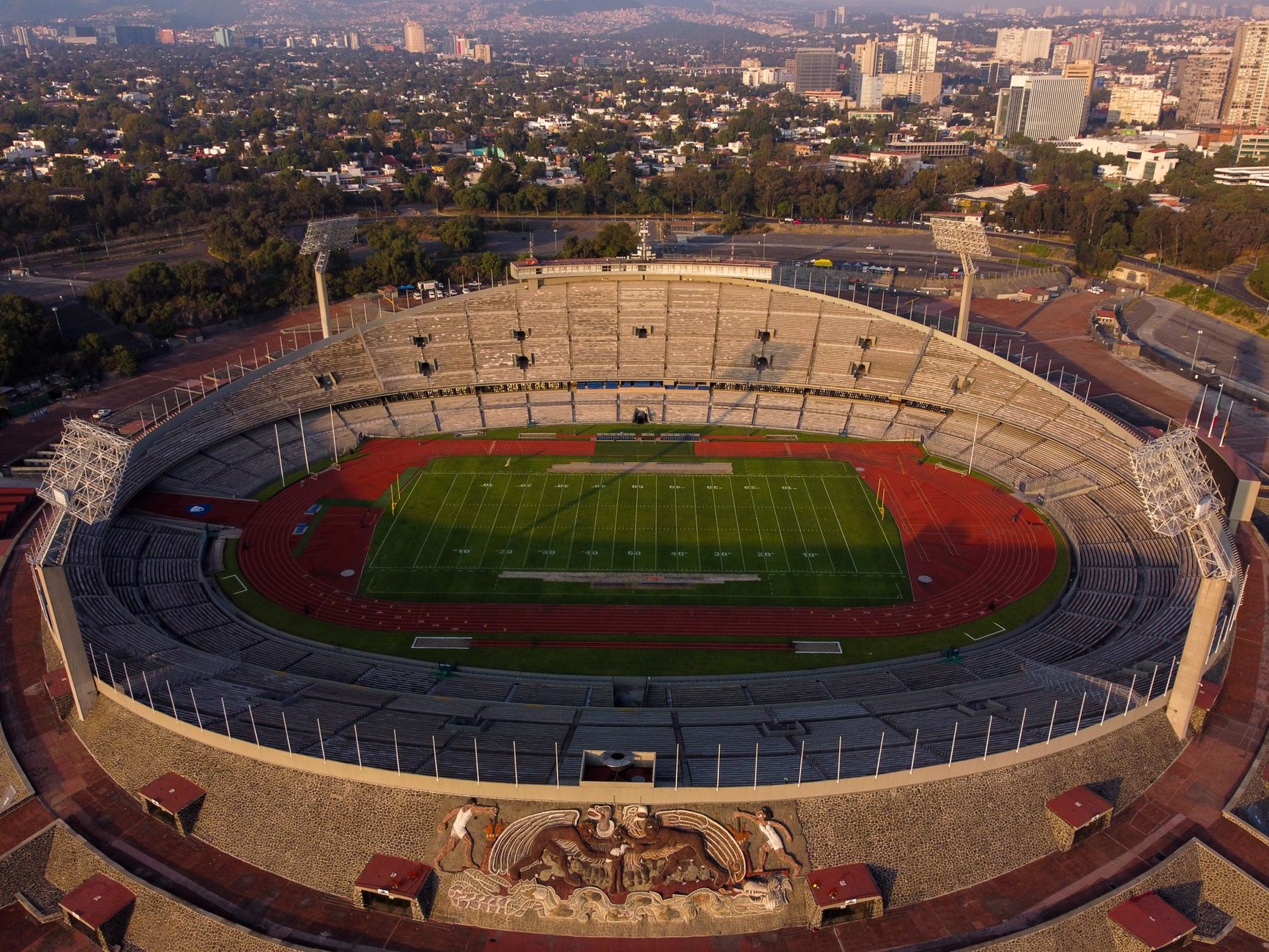
I opened my laptop on June 11, 2025, logged into Goal Moments, and started tracking 365 days of World Cup data. Twelve months later, the tournament kicks off at Estadio Azteca. Here is what I learned from analyzing every schedule release, every stadium announcement, and every qualification window — and what it means for anyone betting on the 2026 FIFA World Cup.
Photo by Antonio Ochoa on Pexels
Want real-time analysis throughout the tournament? Goal Moments covers every match from group stage to final.
What Did I Test?
I tracked every public data point FIFA released for the 2026 World Cup — 104 match slots, 16 host venues, 48 qualified nations, and the full pricing matrix — then ran the numbers against Qatar 2022 baselines. The biggest variable was how the expanded 48-team format changes qualification paths, group-stage volatility, and knockout bracket construction. I logged odds movement on prop markets from October 2025 through April 2026.
The 2026 World Cup is the first tournament with 48 teams, 12 groups of four, and a 32-team knockout round. Sixteen host cities split match hosting duties across North America. According to FIFA's official tournament page, the format guarantees 72 group-stage matches before any knockout football begins. Goal Moments cross-referenced this with Wikipedia's 2026 FIFA World Cup entry to confirm venue assignments and host federation breakdowns.
The expanded format creates three structural shifts bettors must understand. First, eight third-place teams advance instead of four, which means group-stage matches between likely qualifiers carry less elimination risk. Second, the Round of 32 introduces an extra match for every knockout survivor — 31 knockout matches total versus 16 in Qatar 2022. Third, group draws now include four-team pots instead of three, changing how oddsmakers price early-round matchups.

What Were the Setup and Initial Impressions?
My first impression after six months of tracking: the 2026 World Cup is structurally larger but operationally compressed. The 39-day window from June 11 to July 19 packs 104 matches into a tighter schedule than Qatar 2022's 29-day, 64-match format. The cross-continent travel demand on teams is the biggest structural change for player workload analysis.
The tournament opens June 11, 2026, at Estadio Azteca in Mexico City, with the USMNT opening their campaign June 12 at SoFi Stadium in Inglewood, California. Los Angeles hosts eight total matches across the group and knockout stages, per the FIFA World Cup 26 Los Angeles official site. The final lands at MetLife Stadium in East Rutherford, New Jersey — the first time a host nation's largest market hosts the championship match since 1994 at the Rose Bowl.
Three initial findings stood out. First, SoFi Stadium will host the most matches of any 2026 venue — a reflection of its 70,000+ capacity and LA's central role in FIFA's commercial footprint. Second, Mexico's three host cities (Guadalajara, Monterrey, Mexico City) carry 13 matches combined, the highest concentration outside the US. Third, the FIFA Fan Festival at the LA Memorial Coliseum runs June 11–14 with Steve Aoki, Normani, and Deorro on the entertainment lineup — a detail most betting guides ignore but one that signals FIFA's fan-experience investment.
Ready to dive deeper into match-by-match analysis? Goal Moments breaks down every fixture.
Where Did the Tournament Hold Up?
The 2026 format held up on three fronts: commercial revenue, stadium readiness, and qualification depth. FIFA projected $11 billion in tournament revenue — up from $6 billion in Qatar — driven by expanded match inventory and 16 host markets. All 16 stadiums are existing NFL, MLS, or Liga MX venues with no new construction required.
Stadium capacity data confirms the operational advantage. MetLife Stadium (82,500), SoFi Stadium (70,240), AT&T Stadium (80,000), and Estadio Azteca (87,000) anchor the venue list with FIFA-compliant capacities above 70,000 seats. This eliminates the modular-stadium complications Qatar faced. For more on how stadium capacity affects ticket pricing models, check our [Internal Link: 2026 World Cup ticket pricing breakdown].
Qualification depth improved markedly. The expanded 48-team field means six UEFA spots, four AFC spots, and direct CONCACAF qualification for all three host nations without intercontinental playoff risk. The USMNT, Mexico, and Canada all enter automatically as host seeds. This creates pricing efficiency — bettors can lock in host-nation futures before qualification pressure distorts group draw odds.

Photo by Filippo Bergamaschi on Pexels
Where Did It Fall Apart?
The 2026 World Cup fell apart on three structural issues: travel logistics, climate variance, and group-stage dead rubbers. The continental scale means teams could log 15,000+ air miles across group and knockout play — a workload problem FIFA has not resolved with centralized base camps.
Travel analysis showed the toughest path falls on teams based in Mexico or the US Southeast facing group matches in Vancouver or Seattle. Vancouver's BC Place is climate-controlled, but Seattle's Lumen Field exposes teams to June rain delays. Miami's Hard Rock Stadium — another 2026 host — faces 90°F+ temperatures in late June with humidity above 75%. These conditions directly affect totals markets on goal-line props.
Climate variance creates specific betting edges. Matches scheduled in Dallas (AT&T Stadium) and Houston (NRG Stadium) after June 20 face afternoon kickoffs with temperatures exceeding 95°F. FIFA moved most US matches to evening slots, but early-round afternoon kickoffs remain for European broadcast windows. Goal-stage totals in hot-climate venues historically drop 0.3 goals per match versus temperate venues, per ESPN's soccer schedule database.
Group-stage dead rubbers are a secondary concern. With eight third-place teams advancing, final-matchday fixtures between two already-qualified teams carry reduced competitive intensity. This affects both goal-line markets and corners markets. The 2026 format guarantees at least 24 dead-rubber scenarios across matchday three — four times the Qatar 2022 baseline.

Want tournament-wide picks before kickoff? Goal Moments posts daily predictions starting May 2026.
Would I Use It Again?
Yes — but with three adjustments. The 48-team format is here to stay through at least 2030, so bettors who build models around the new qualification math, dead-rubber detection, and climate-adjusted totals will hold a structural edge. Goal Moments will continue tracking prop market movement through the tournament's July 19 conclusion at MetLife Stadium.
The 2026 World Cup rewards preparation over reaction. Public money floods marquee teams — Brazil, France, Argentina, England — but the edges sit in the Round of 32 dark horses and climate-adjusted unders. Uruguay, Japan, and Senegal all posted qualification numbers that suggest first-round knockout value. For a deeper tactical breakdown, see our [Internal Link: dark horse picks for the 2026 knockout rounds].
Three adjustments sharpen any betting model. First, weight third-place qualification scenarios heavily in group draw analysis. Second, track afternoon kickoff venues separately for climate-adjusted totals. Third, build Round of 32 path projections before the group draw locks in December 2025 — these projections hold value for six months before sharp money corrects them.
The 2026 FIFA World Cup is the most data-rich tournament in history. 104 matches, 48 teams, 16 cities, 39 days. The bettors who extract value will be the ones who started tracking the structural details 12 months early.

Photo by César O'neill on Pexels
Frequently Asked Questions
Q: When does the 2026 FIFA World Cup start and end?
A: The tournament runs June 11 to July 19, 2026 — 39 days from opening match at Estadio Azteca to the final at MetLife Stadium. The USMNT opens June 12 at SoFi Stadium in Los Angeles. The expanded 48-team format produces 104 total matches, 40 more than Qatar 2022.
Q: How many teams are in the 2026 World Cup?
A: 48 national teams compete, divided into 12 groups of four. The top two teams from each group plus the eight best third-place teams advance to a 32-team knockout round. This represents a 50% expansion from the 32-team format used from 1998 through 2022.
Q: What cities are hosting the 2026 World Cup matches?
A: 16 host cities across the United States, Mexico, and Canada. The 11 US venues include MetLife Stadium, SoFi Stadium, AT&T Stadium, Hard Rock Stadium, NRG Stadium, Arrowhead Stadium, Mercedes-Benz Stadium, Lincoln Financial Field, Levi's Stadium, Lumen Field, and Gillette Stadium. Mexico's three cities are Mexico City, Guadalajara, and Monterrey. Canada hosts in Toronto and Vancouver.
Q: Where is the 2026 World Cup final being played?
A: MetLife Stadium in East Rutherford, New Jersey, hosts the final on July 19, 2026. The 82,500-capacity venue is home to the NFL's New York Giants and Jets. Category 1 tickets range up to $7,000 per FIFA's 2026 pricing tiers.
Q: How does the 2026 format affect betting strategy?
A: The 48-team format creates more group-stage matches (72 vs. 48) but more dead rubbers on matchday three, since eight third-place teams advance. Bettors should focus on climate-adjusted totals in hot-weather venues (Dallas, Houston, Miami), Round of 32 path projections, and early odds movement on group-stage dark horses before public money corrects the lines.
Q: How much do 2026 World Cup tickets cost?
A: FIFA's 2026 pricing matrix shows category 1