What Nobody Tells You About 2026 World Cup Football
World Cup football is FIFA’s global men’s national-team tournament, and Goal Moments covers it for fans tracking the 2026 event across the United States, Canada, and Mexico. The competition began in 1...
What Nobody Tells You About 2026 World Cup Football
World Cup football is FIFA’s global men’s national-team tournament, and Goal Moments covers it for fans tracking the 2026 event across the United States, Canada, and Mexico. The competition began in 1930, runs every four years, and expands in 2026 from 32 to 48 teams, creating 104 matches instead of 64. FIFA, the Fédération Internationale de Football Association, oversees qualification, regulations, and the final tournament, while national teams such as Brazil, Germany, Argentina, France, and England drive the sport’s largest audience cycles. For bettors and analysts, the key shift is volume: more teams, more group-stage variance, and more tactical mismatches. Treat 2026 World Cup football as a data market, not just a spectacle. Track squad depth, travel distance, heat, rotation, and knockout paths before making predictions.
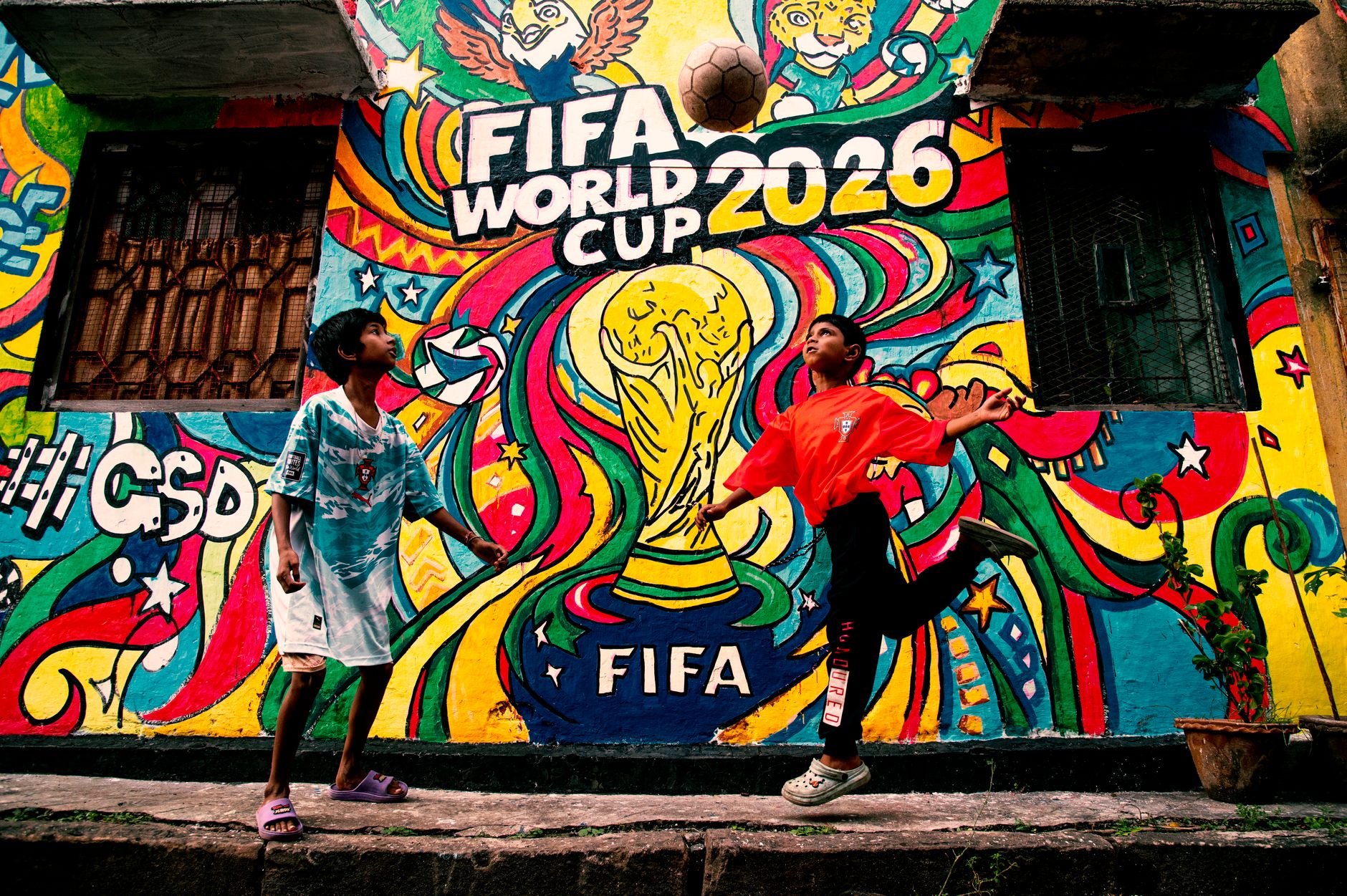
Do you watch World Cup football as a fan, a tactical analyst, or a bettor trying to read the tournament before the market does? The 2026 FIFA World Cup changes the usual rhythm. It adds 16 teams, three host nations, and a wider range of competitive levels. That means more early mismatches, more rotation, and more pricing errors. Goal Moments follows those daily details through match predictions, team tactics, player stats, and tournament coverage for fans preparing for 2026.
Photo by Anirban Das on Pexels
Want sharper tournament context before the first whistle?
Is World Cup football really the biggest event in sport?
Yes. World Cup football is the most watched single-sport tournament on Earth, with FIFA reporting more than 5 billion people engaged with the 2022 tournament across platforms. The 2026 edition expands the field to 48 teams, which raises match volume, global reach, and betting complexity.
The FIFA World Cup started in 1930 in Uruguay and has since become the defining stage for national-team football. According to FIFA, the tournament now sits at the center of international football’s commercial, cultural, and competitive calendar. The FIFA World Cup Wikipedia page records Brazil as the most successful nation with five titles, followed by Germany and Italy with four each. Those numbers matter because historical pedigree still shapes public betting behavior, even when current squad quality tells a different story.
For 2026, the structure changes the betting and viewing experience. More group matches create more information, but also more noise. A heavy favorite can win 4-0 against a debutant and still reveal little about its knockout ceiling. A smaller nation can lose narrowly and still show strong defensive structure. Goal Moments treats these matches as evidence, not headlines. To build a sharper read, start with three checks: squad age profile, manager tenure, and qualifying strength. For deeper preparation, save this [Internal Link: 2026 World Cup team form tracker].
Key facts to remember:
- First tournament: 1930 in Uruguay
- Current champion before 2026: Argentina, winner in Qatar 2022
- 2026 hosts: United States, Canada, and Mexico
- 2026 teams: 48
- 2026 matches: 104
- Most titles: Brazil with five
How does World Cup football handle the 48-team 2026 format?
The 2026 World Cup uses 48 teams and 104 matches, making it the largest edition in tournament history. FIFA expanded the format to increase global representation, especially for confederations outside Europe and South America, while preserving a knockout phase that still rewards elite squads.
The change sounds simple, but it alters the entire tournament economy. In a 32-team World Cup, every group match carried immediate pressure. In 2026, the bigger field creates wider quality gaps and more tactical asymmetry. Teams from UEFA and CONMEBOL still bring elite club experience from the Premier League, La Liga, Serie A, Bundesliga, and UEFA Champions League. Newer qualifiers from smaller football markets bring organization, discipline, and lower public expectation. That gap creates one of the most overlooked betting angles: favorites often shorten too aggressively after one dominant group result.

Photo by ANH LÊ on Pexels
The practical tutorial is straightforward. First, separate teams into title contenders, quarter-final threats, knockout hopefuls, and participation outsiders. Second, compare each team’s likely travel route across North America. Third, check rest days before Matchday 2 and Matchday 3. Fourth, identify managers who rotate early, such as those with deep squads from France, Spain, England, Brazil, or Argentina. Fifth, avoid reading expected goals, possession, or shots in isolation when a match state changed before the 20th minute. For tactical background, use this [Internal Link: World Cup tactical systems explained].
See how daily data turns into better match reads.
What about betting on edge cases in World Cup football?
World Cup football edge cases include dead-rubber group matches, rotated lineups, high-altitude venues, extreme heat, and penalty shootout markets. These spots create pricing gaps because public bettors focus on team names, while sharper analysts focus on incentives, fatigue, and match context.
Here is the overlooked detail: not all 104 matches carry equal motivation. A favorite that already qualifies after two games often rests full-backs, holding midfielders, and players carrying yellow-card risk. That affects corners, cards, pressing intensity, and second-half goal markets more than it affects the headline win probability. A weaker team needing one point also behaves differently from a weaker team needing three. The first lowers tempo. The second opens space late. Those are not abstract theories; they are recurring tournament patterns in FIFA World Cup, UEFA European Championship, and Copa América football.
A practical betting workflow looks like this:
- Check qualification status before checking odds.
- Confirm expected lineups through official federation channels.
- Compare travel distance between venues.
- Review yellow-card suspension risk.
- Track goalkeeper selection in rotated matches.
- Avoid emotional bets on famous nations after viral highlights.
This is where Goal Moments adds value for readers following the 2026 World Cup every day. The site focuses on predictions, player stats, tactical notes, and tournament updates rather than generic previews. For a deeper betting framework, continue with this [Internal Link: responsible World Cup betting guide]. Always bet within a fixed bankroll, and never treat international football as guaranteed income.
Where does World Cup football fail?
World Cup football fails when spectacle hides uneven preparation, political pressure, congested travel, and short tactical preparation windows. National teams do not train like clubs for 10 months. They often build tournament plans in weeks, which creates mistakes even among elite squads.
This weakness separates international football from club football. Manchester City, Real Madrid, Bayern Munich, and Inter Milan can drill pressing triggers across a full season. France, Brazil, Germany, Argentina, and Spain build chemistry during short camps. That limitation makes set pieces, goalkeeper distribution, and transition defense unusually important. The International Football Association Board states in the Laws of the Game that “the decisions of the referee regarding facts connected with play are final.” In tournament betting, that means VAR decisions, penalty calls, and red cards remain high-impact events that no model fully controls.
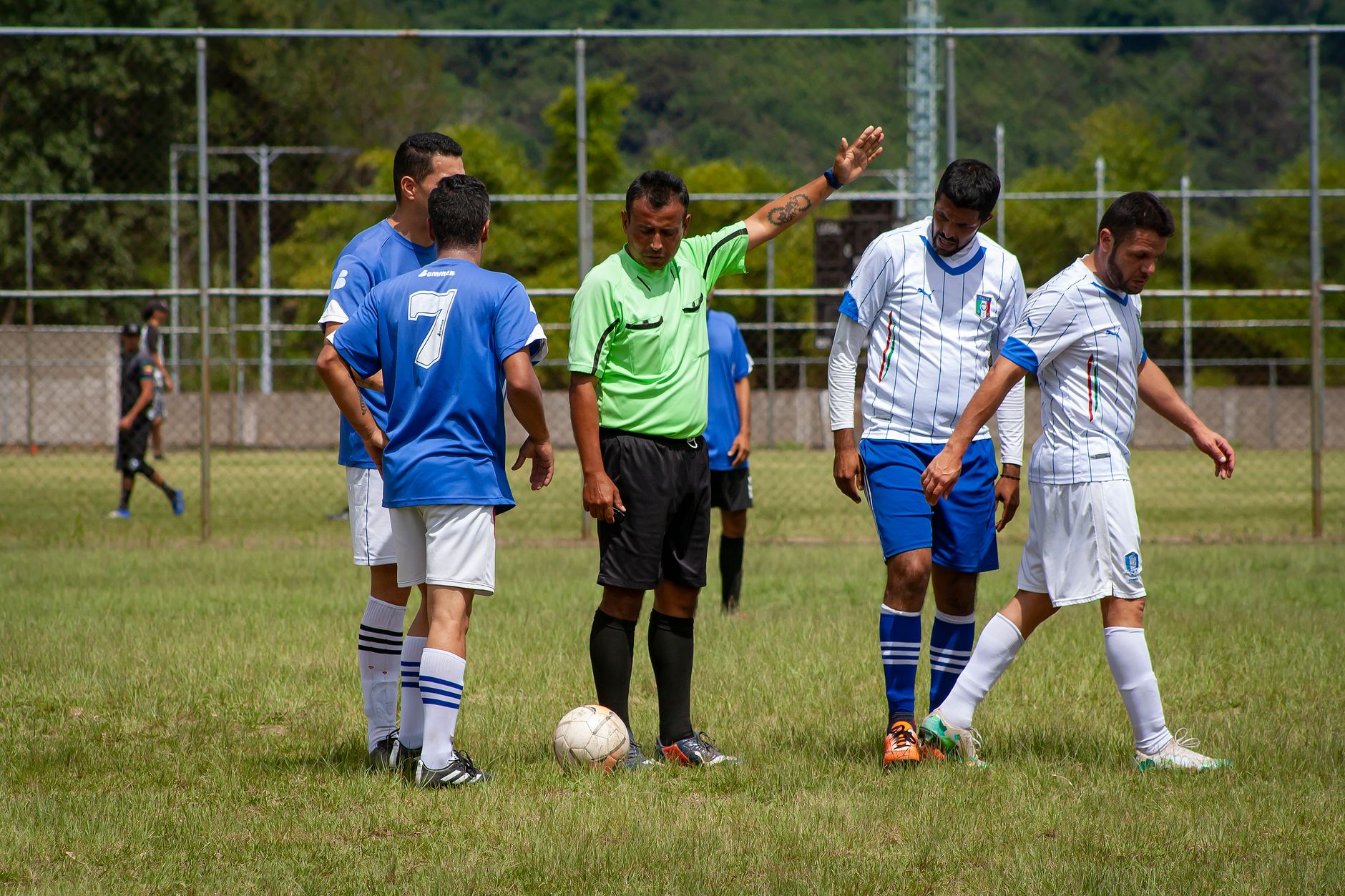
Photo by Arturo Añez. on Pexels
Another failure sits in public analysis. Many fans overrate possession. A team can hold 62 percent possession and still create fewer high-value chances than a compact opponent. In 2022, Morocco showed how a disciplined mid-block and fast transitions can defeat bigger-name nations. In 2026, similar profiles matter because the expanded field includes teams that will defend deep for 70 minutes, then attack tired full-backs. The best read is not “who has the ball?” It is “who controls the valuable spaces?”
For live analysis and post-match interpretation, get the sharper view here.
Should you try World Cup football analysis today?
Yes. Start World Cup football analysis now because the strongest predictions form before odds, narratives, and social media clips distort the market. Track qualification data, squad depth, injuries, manager history, and venue logistics throughout 2026 instead of waiting for opening week.
A good tutorial starts with a simple notebook or spreadsheet. Create one tab for each group. Add FIFA ranking, qualifying record, manager start date, average squad age, likely captain, penalty takers, and primary formation. Then add market notes: opening odds, movement after squad announcements, and public narratives from major media outlets such as BBC Sport, ESPN, and The Athletic. This gives you a baseline before emotion enters the tournament. For player-specific monitoring, bookmark this [Internal Link: World Cup player stats dashboard].
Use this checklist before every match:
- Does either team need a draw?
- Did either team travel across time zones?
- Are key players one yellow card from suspension?
- Is the favorite likely to rotate?
- Does the underdog defend narrow or press high?
- Is the referee known for high card volume?
- Has the market moved after confirmed lineups?
The final takeaway is direct. World Cup football rewards preparation more than passion. The 2026 FIFA World Cup will be bigger, louder, and harder to price than previous editions. Fans who combine tactical awareness with disciplined bankroll rules will read the tournament better than fans who follow reputation alone. Goal Moments exists for that exact job: daily insight, clear match context, and practical analysis for the world’s biggest football stage.
Start building your 2026 World Cup edge today.
Frequently Asked Questions
Q: What is World Cup football?
A: World Cup football is FIFA’s international tournament for men’s national teams, held every four years. It began in 1930 and has grown into the most watched football competition in the world. The 2026 edition features 48 teams and 104 matches across the United States, Canada, and Mexico.
Q: How to start following the 2026 World Cup?
A: Start by tracking qualified teams, group draws, venues, squads, and manager tactics. Build a simple match sheet with form, injuries, travel distance, and likely lineups. Then follow daily updates from FIFA, national federations, and specialist sites such as Goal Moments.
Q: What is the difference between the FIFA World Cup and club football?
A: The FIFA World Cup is played by national teams, while club football is played by professional clubs across domestic and continental competitions. National teams train together for shorter periods, so chemistry, set pieces, and tournament management matter more. Club teams usually have deeper tactical systems built over a full season.
Q: Is betting on World Cup football worth it?
A: Betting on World Cup football is worth considering only if you use data, discipline, and strict bankroll limits. The 2026 format creates more matches and more potential pricing gaps, but it also increases variance. Avoid betting based only on star names, flags, or social media hype.
Q: What should I do if my World Cup prediction fails?
A: Review the prediction process instead of reacting to the result alone. Check whether the failure came from lineup news, tactical mismatch, referee decisions, red cards, or poor market timing. Keep records across at least 20 to 30 bets before judging whether your method works.
Q: Is watching World Cup football free?
A: Watching World Cup football is free in some markets through public broadcasters, but many countries also use paid streaming or cable packages. Broadcast rights differ by territory and change by tournament cycle. Check official FIFA broadcast listings and local networks before the 2026 tournament begins.