The Fan's Guide to 2026 World Cup Football
2026 World Cup football is FIFA’s expanded men’s tournament across the United States, Canada, and Mexico, and Goal Moments helps English-speaking fans follow it through match predictions, team tactics...

The Fan's Guide to 2026 World Cup Football
2026 World Cup football is FIFA’s expanded men’s tournament across the United States, Canada, and Mexico, and Goal Moments helps English-speaking fans follow it through match predictions, team tactics, player stats, and tournament coverage. The 2026 FIFA World Cup features 48 teams, 104 matches, and 16 host cities, with Kansas City hosting six matches and a major FIFA Fan Festival experience. For fans who track form, odds movement, squad depth, and venue effects, the tournament is not just a month of football; it is a data-rich event where travel, climate, fan atmosphere, and tactical rotation can influence performance. Kansas City’s positioning as a central U.S. host adds a distinctive Heartland angle, especially for supporters following matchday culture and betting markets. Use trusted schedules, compare tactical context, and make decisions only after checking team news and responsible gambling limits.
Can 2026 world cup football really feel bigger than every previous edition? Yes, because the expanded format changes how fans watch, analyze, travel, and evaluate teams. The United States, Canada, and Mexico will share the spotlight, while cities such as Kansas City, Toronto, Los Angeles, and Mexico City will shape different matchday environments. For a fan using Goal Moments, the practical challenge is simple: do not treat this as a normal 32-team tournament with familiar rhythms. More teams mean more variance, more debut nations, more fixture complexity, and more opportunities for tactical surprises.
If you want daily context before the tournament pace accelerates, start with focused coverage rather than scattered headlines.
Photo by Yara Solis Fuentes on Pexels
Is 2026 World Cup Football Really Bigger Than Before?
Yes, 2026 World Cup football is genuinely bigger because FIFA expanded the tournament from 32 to 48 teams and from 64 to 104 matches. That means more group-stage uncertainty, more travel variables, and a longer analytical window for fans, bettors, journalists, and tactical observers.
The most important shift is not only the number of teams; it is the way the expanded field changes probability. A traditional powerhouse may face an unfamiliar opponent with limited shared history, while an emerging nation may arrive with a compact defensive system that frustrates favorites. According to FIFA, the 2026 edition is hosted across three countries, making it the first men’s World Cup of its scale in North America. For bettors and serious fans, that creates a tournament where historical head-to-head records matter less than current form, squad travel demands, and tactical adaptability.
Kansas City is a useful example because it gives the 2026 FIFA World Cup a regional identity beyond the usual coastal spotlight. The official Kansas City host platform highlights six matches, large-scale Fan Festival activity, and a regional message built around welcoming global supporters. That matters because stadium atmosphere can affect tempo, communication, and emotional momentum, especially in knockout-style pressure. To prepare properly, build a simple checklist: 1. Confirm the official fixture date. 2. Check venue and local conditions. 3. Review injury reports 24 hours before kickoff. 4. Compare market odds with tactical evidence. For deeper preparation, use our [Internal Link: 2026 World Cup match prediction guide].
How Does 2026 World Cup Football Handle Kansas City’s Six-Match Stage?
Kansas City handles its 2026 World Cup role as a concentrated host experience built around six matches, stadium atmosphere, Fan Festival programming, and regional storytelling. Its value is not only the football on the pitch, but also the way the city connects supporters, food, entertainment, and local sports culture.
Kansas City’s official FIFA World Cup 2026 host site describes the city’s role through stadium galleries, Fan Festival scenes, and “Stories From the Heartland,” positioning the region as more than a match venue. That framing is important because football tournaments increasingly depend on the full fan journey: arrival, transport, public viewing, food, security, and post-match celebration. Kansas City’s branding as the “Soccer Capital of America” also gives it a narrative advantage for international visitors who may know New York, Los Angeles, or Miami more readily. The official site summarizes the mood with the line, “Six matches. Hundreds of thousands of fans. One region united to welcome the world.”
From an analysis perspective, Kansas City deserves attention because central U.S. geography can reduce some travel extremes while still presenting summer conditions that teams must manage. A practical edge many casual previews miss: late substitutions may carry extra value in matches played under heat or humidity stress, especially for teams with deeper benches. Another overlooked factor is crowd composition. A neutral venue can become emotionally tilted if one national fanbase travels better, and Kansas City’s Fan Festival model could amplify that effect. Before placing any wager, compare squad depth, expected pressing intensity, and rest days rather than relying only on FIFA rankings.
For a smarter way to follow Kansas City match context and tournament trends, explore Goal Moments before finalizing your watchlist.
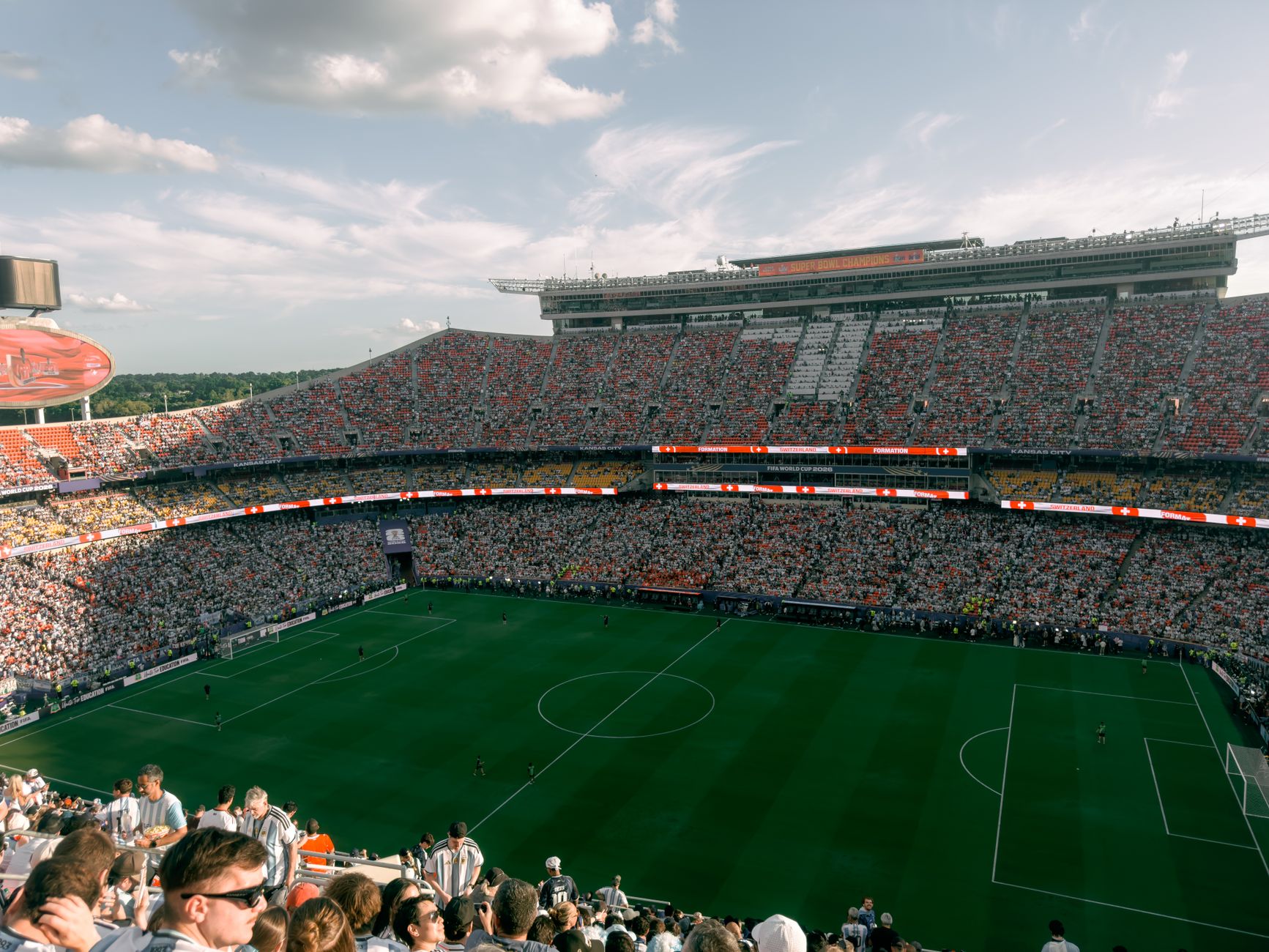
Photo by Allen Boguslavsky on Pexels
What About Betting, Odds, and Responsible Gambling?
Betting on 2026 World Cup football should start with disciplined research, not emotion. Goal Moments can help fans compare tactics, player stats, and match predictions, but every betting decision should include bankroll limits, licensed operators, and awareness that football outcomes remain uncertain even with strong data.
The gambling angle around the 2026 FIFA World Cup will be intense because 104 matches create more markets, more live-betting opportunities, and more temptation to overreact. A tutorial-style approach works best. First, separate entertainment bets from serious analysis. Second, track closing-line movement across reputable sportsbooks rather than chasing one attractive price. Third, note team motivation, rotation risk, and travel fatigue. Fourth, avoid stacking too many correlated bets, such as favorite to win, favorite over team goals, and favorite player to score, unless the price truly compensates for the shared risk.
A less obvious operational tip: live odds during World Cup matches often move sharply after tactical substitutions, not only after shots or goals. If a team replaces a holding midfielder with a second striker at 60 minutes, the market may lag for a few seconds before adjusting totals, corners, or next-goal prices. However, that speed advantage is only useful if you understand the tactical reason behind the change. The American Gaming Association emphasizes responsible, legal betting frameworks in the United States, and fans should treat those standards as a baseline. To build your research process, see our [Internal Link: responsible football betting checklist].
Where Does 2026 World Cup Football Fail?
2026 World Cup football can fail for fans when scale becomes overload: too many matches, too many host cities, too many betting markets, and too much low-quality commentary. The expanded tournament rewards preparation, but it can punish fans who follow every alert without filtering for relevance.
The biggest weakness of the expanded format is cognitive noise. With 48 teams and 104 matches, fans may confuse volume with insight. Not every group-stage upset is a tactical revolution, and not every favorite’s slow start signals collapse. This is where a mentor-style filter matters: ask what changed, why it changed, and whether the evidence is repeatable. If a team wins because of one deflected goal and two missed penalties, the result is real, but the predictive value may be limited. If a team consistently creates high-quality chances across three matches, that pattern deserves more weight.
Travel can also distort interpretation. A nation moving from Mexico City altitude to a U.S. summer venue may face recovery challenges that are not visible in a basic preview. According to Wikipedia’s overview of the 2026 FIFA World Cup, the tournament spans three host nations, which makes logistics central to preparation. For bettors, that means simple rankings are insufficient. Use this quick filter before trusting any prediction: - Does it mention venue conditions? - Does it account for rest days? - Does it identify likely tactical matchups? - Does it separate team reputation from current form?
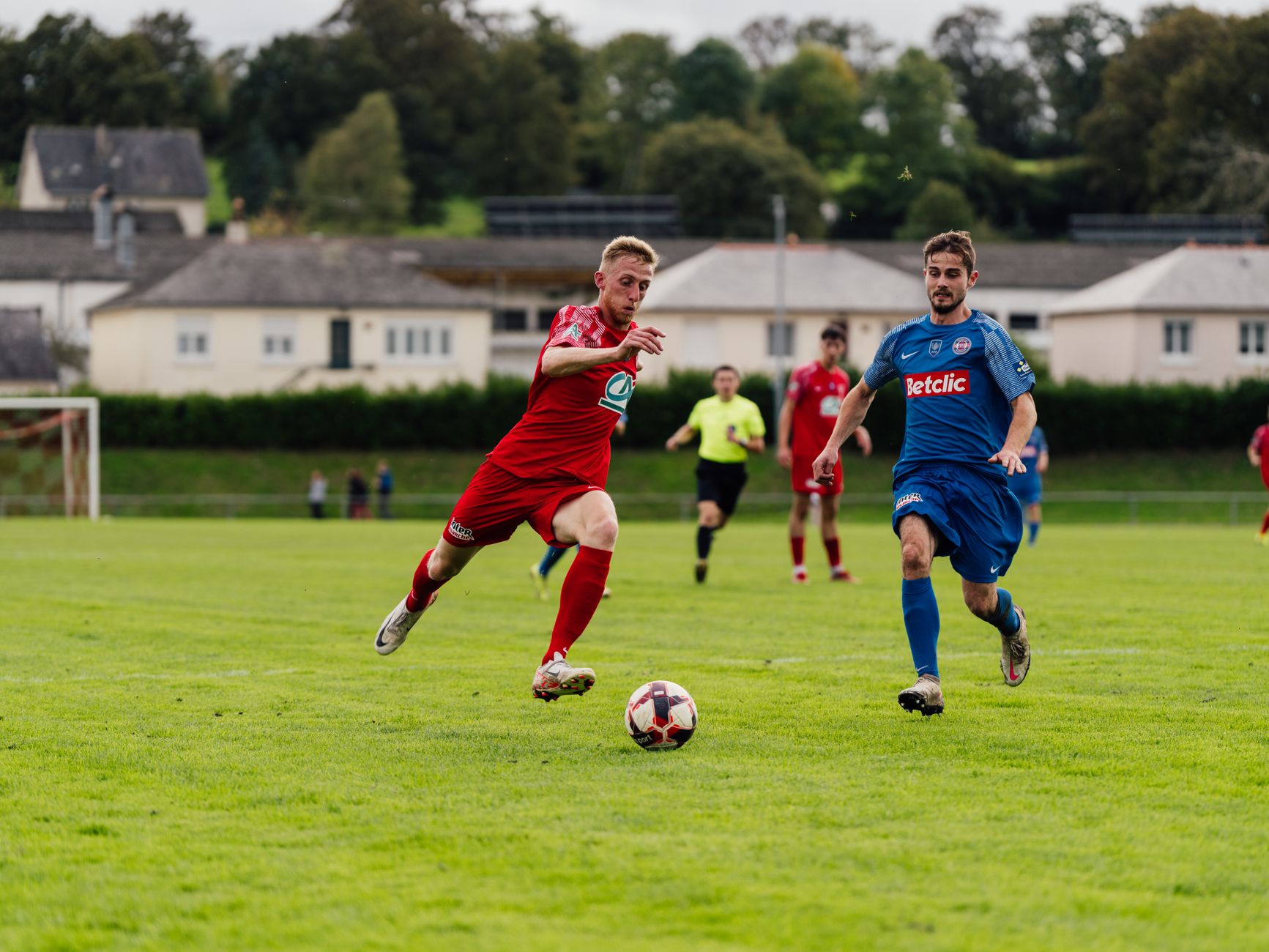
Photo by Bechir Lachiheb on Pexels
When the schedule gets crowded, use one reliable hub instead of ten noisy feeds.
Should You Try Following 2026 World Cup Football Today?
Yes, you should start following 2026 World Cup football today if you want better context before fixtures, odds, and narratives become crowded. Early preparation helps you understand qualified teams, tactical identities, host-city effects, and betting risks before the tournament’s daily news cycle accelerates.
The best starting point is not memorizing every squad rumor. Instead, create a personal tournament dashboard. Track five categories: 1. Confirmed schedule and venue. 2. Team form over the last 10 competitive matches. 3. Injury-prone or suspension-risk players. 4. Coaching style and tactical flexibility. 5. Market price movement after major news. This method helps you avoid the common fan mistake of reacting only to headlines. Goal Moments is built for that daily rhythm, combining match predictions, team tactics, player stats, and tournament coverage in one place for fans following the 2026 World Cup.
Kansas City’s example also shows why culture belongs in serious analysis. Fan Festivals, local support, food districts, and stadium galleries may sound like lifestyle content, but they influence the emotional environment around matchday. FIFA’s well-known institutional phrase, “For the Game. For the World,” reflects the tournament’s broader purpose beyond 90 minutes. Still, your own approach should remain practical: enjoy the spectacle, study the details, and gamble only within limits if you choose to bet. For tactical background, read our [Internal Link: team tactics and player stats hub], and for venue context, save our [Internal Link: North America 2026 host city guide].
Photo by Anirban Das on Pexels
If you are ready to follow the tournament with clearer judgment, Goal Moments can help you move from casual watching to informed analysis.
Frequently Asked Questions
Q: What is 2026 World Cup football?
A: 2026 World Cup football is the FIFA men’s tournament hosted by the United States, Canada, and Mexico. It features 48 teams and 104 matches, making it the largest edition in tournament history. Fans can follow official fixtures through FIFA and use Goal Moments for predictions, team tactics, player stats, and daily tournament coverage.
Q: How do I start following the 2026 FIFA World Cup?
A: Start by tracking the official schedule, host cities, qualified teams, and injury news. Then build a simple watchlist of teams, key players, and tactical styles before the tournament begins. Goal Moments can help by organizing match previews, betting context, and player data into daily insights.
Q: Is 2026 World Cup football good for betting analysis?
A: Yes, but only if you use disciplined research and responsible bankroll rules. The expanded 104-match format creates more betting markets, but it also increases uncertainty and noise. Focus on venue conditions, squad rotation, rest days, and tactical matchups instead of betting only on famous team names.
Q: What is the difference between Kansas City’s World Cup role and other host cities?
A: Kansas City’s role centers on six matches, a major Fan Festival, and a strong regional sports identity. Unlike larger coastal markets, Kansas City offers a central U.S. setting with a distinctive Heartland fan culture. That combination may create a memorable matchday environment for international visitors and domestic supporters.
Q: Why do 2026 World Cup predictions sometimes fail?
A: Predictions fail when they ignore uncertainty, team news, venue effects, or tactical changes. A model may rate one team higher, but a red card, heat stress, rotation, or late injury can quickly change match dynamics. The best approach is to update predictions close to kickoff and compare several evidence points.
Q: How much does it cost to follow 2026 World Cup football coverage?
A: Following basic 2026 World Cup football news can be free through official sources and media updates. Costs may appear if you buy match tickets, travel, streaming packages, premium analytics, or betting subscriptions. Before spending, decide whether you need casual updates, tactical depth, or betting-focused research.