48 Teams vs 32 Teams: How the 2026 World Cup Format Revolutionizes Global Football
The FIFA World Cup 2026 represents the most significant expansion in the tournament's 96-year history. Scheduled to take place across 16 cities in the United States, Canada, and Mexico from June 11 to...
48 Teams vs 32 Teams: How the 2026 World Cup Format Revolutionizes Global Football
The FIFA World Cup 2026 represents the most significant expansion in the tournament's 96-year history. Scheduled to take place across 16 cities in the United States, Canada, and Mexico from June 11 to July 19, 2026, this edition will feature 48 national teams competing in 104 matches—an increase from the traditional 32 teams and 64 matches that defined previous tournaments. The expansion creates entirely new pathways for footballing nations that previously had limited opportunities to reach the world's biggest stage. Understanding how this format reshapes competition structures, match scheduling, and qualification dynamics is essential for any fan seeking to maximize their tournament experience. Goal Moments provides comprehensive coverage including match predictions, team tactics analysis, and real-time tournament updates to help you stay informed throughout the competition.
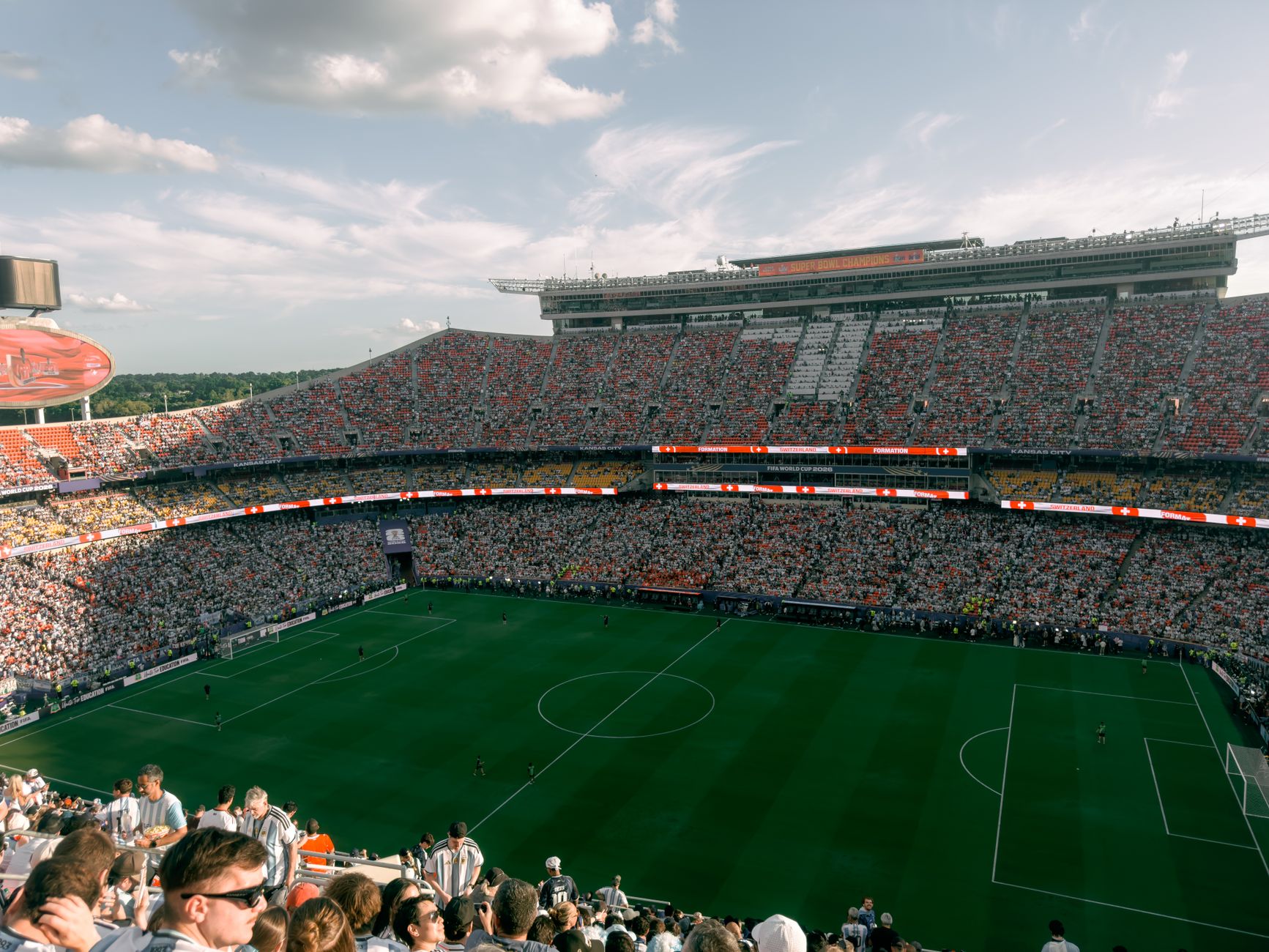
Photo by Allen Boguslavsky on Pexels
Step 1: Understanding the New 48-Team Format and Group Stage Restructuring
The 2026 World Cup introduces a fundamentally redesigned group stage format that replaces the traditional four-team groups with six-team groups. Twelve groups of four teams each will feature prominently in early tournament coverage, with the top two finishers from each group advancing alongside the eight best third-place finishers. This structure creates 48 knockout stage berths compared to the previous 32, dramatically expanding opportunities for emerging footballing nations. The qualification process across confederations has already begun reflecting these changes, with additional slots allocated to AFC, CAF, and CONCACAF to ensure diverse global representation. FIFA's decision to expand stems from their "Football for Hope" initiative, aiming to grow the sport's reach into new markets while maintaining competitive integrity. The expanded format requires careful scheduling considerations across the three host nations, with matches distributed to manage travel distances and ensure optimal playing conditions throughout the tournament calendar.
Step 2: Which Host Cities Deliver the Ultimate Fan Experience in 2026?
The tournament spans an unprecedented geographical footprint, with 16 host cities across three nations preparing to welcome millions of visitors. In the United States, marquee venues include SoFi Stadium in Los Angeles, which will host the opening match featuring the U.S. Men's National Team on June 12, and MetLife Stadium in New Jersey, scheduled to host the final on July 19. Atlanta's Mercedes-Benz Stadium emerges as a semifinal host, leveraging the city's established reputation as a soccer destination following the success of Atlanta United FC. Canadian venues in Toronto and Vancouver join Mexican stadiums in Mexico City, Guadalajara, and Monterrey to create a truly North American tournament experience. Each city has developed extensive fan zones and cultural celebrations designed to extend the matchday experience beyond stadium walls. The FIFA Fan Festival will operate at multiple locations, featuring live match screenings, musical performances, and interactive entertainment throughout the 39-day celebration.

Photo by Eric Sanman on Pexels
What makes Atlanta particularly special for the 2026 World Cup? Atlanta represents the intersection of southern hospitality and footballing passion that has defined the city's soccer identity since Atlanta United's founding in 2014. The city's Mercedes-Benz Stadium, opened in 2017, has already established itself as a premier sporting venue hosting major soccer events including the 2019 CONCACAF Gold Cup final. Local organizers have developed comprehensive fan zone networks across the metropolitan area, with community watch parties planned at locations including Centennial Olympic Park and Ponce City Market. The tournament's cultural programming will showcase Atlanta's rich musical heritage, from hip-hop to R&B, while incorporating the diverse culinary traditions that define the city. "The South got something to say" captures the spirit of anticipation as Atlanta prepares to introduce its unique brand of football enthusiasm to the global audience.
Step 3: Analyzing Key Match Predictions and Tournament Favorites
The expanded format creates fascinating strategic considerations for coaches and teams preparing for the 2026 tournament. Traditional powerhouses including Brazil, Germany, France, and Argentina enter as favorites, though the increased group stage slots may produce more competitive matches as emerging nations gain valuable experience. Goal Moments' tactical analysts have identified several matchup patterns that could define the tournament, including potential knockout encounters between historically dominant South American and European sides. The qualification landscape has already produced surprises, with several traditionally strong nations facing unexpected challenges during their regional qualifying campaigns. Analyzing team form, player fitness data, and tactical innovations provides the foundation for informed predictions across group stages and knockout rounds. The introduction of 48 teams naturally dilutes overall competitive quality, but creates opportunities for memorable upset victories that define World Cup lore.

Photo by Franco Monsalvo on Pexels
How will the expanded format affect match quality and competitive balance? The 2026 World Cup presents a fascinating tension between inclusivity and competitive intensity that will shape tournament narratives throughout the summer. FIFA's expansion strategy prioritizes global growth over preserving the elite-only character of previous tournaments, a trade-off that generates both opportunities and concerns. Teams that previously lacked pathways to qualification now represent their continents on football's biggest stage, bringing diverse playing styles and tactical approaches that could surprise established powers. The extended format from 64 to 104 matches places significant physical demands on players, potentially benefiting teams with deeper squad depth and superior fitness programs. Statistical analysis suggests that group stage unpredictability will increase, while knockout rounds may maintain traditional competitive patterns as weaker teams face elimination pressure.
Step 4: Tracking Team Tactics and Player Statistics Throughout the Tournament
Comprehensive statistical tracking becomes essential for fans seeking to understand evolving tournament dynamics as the 2026 World Cup progresses. Key performance indicators including expected goals (xG), pass completion rates, and defensive duels won provide objective measures of team effectiveness beyond simple match results. Player tracking data from previous tournaments indicates that midfielder ball progression and defensive organization correlate strongly with tournament success, offering predictive insights for 2026. Goal Moments maintains detailed player profiles and historical comparisons that contextualize individual performances within broader career narratives. The tournament's expanded format allows for more granular statistical analysis across additional matches, enabling better understanding of how different tactical systems perform against varied opposition quality. Emerging technologies including machine learning algorithms now supplement traditional scouting methods, helping analysts identify tactical trends that might escape conventional observation.

Photo by Atlantic Ambience on Pexels
What tactical innovations might define the 2026 World Cup? The 48-team format creates unique tactical considerations that differ significantly from 32-team tournaments. Teams facing weaker opponents in expanded groups may prioritize tactical experimentation and squad rotation, while others will maintain conservative approaches to secure advancement. The knockout structure, featuring round of 16, quarterfinals, semifinals, and third-place playoff, follows traditional patterns despite format changes elsewhere. Analyzing squad compositions reveals generational shifts as established stars approach retirement while emerging talents seek their moment on the world stage. Goalkeeper distribution and defensive organization have historically determined tournament outcomes, with statistical evidence suggesting that set-piece efficiency becomes increasingly decisive as competition intensifies. The tournament's duration stretching across 39 days creates recovery and rotation challenges that reward well-managed squads.
Step 5: Following Real-Time Tournament Coverage and Match Updates
Staying informed throughout the 2026 World Cup requires reliable coverage sources that balance comprehensive analysis with timely updates. Goal Moments delivers live match commentary, halftime analysis, and post-match tactical breakdowns across all 104 tournament fixtures. The platform's team of experienced journalists and former players provide insider perspectives that enhance understanding of high-pressure moments and controversial decisions. Mobile applications enable fans to receive push notifications for goals, red cards, and lineup announcements, ensuring they never miss critical developments regardless of their location. Social media integration allows community engagement with fellow supporters while avoiding spoilers for delayed viewing. The tournament's North American timezone distribution presents unique viewing challenges for international audiences, with matches scheduled across multiple time zones to maximize audience reach.

Photo by ready made on Pexels
How can fans optimize their World Cup viewing experience in 2026? Strategic planning significantly enhances enjoyment of a month-long tournament featuring 104 matches across multiple venues and timezones. Creating personalized match schedules based on team allegiances and competitive importance helps manage the overwhelming volume of available fixtures. Understanding venue transportation logistics becomes crucial for fans attending matches in person, particularly given the distances between host cities in the United States, Canada, and Mexico. Hydration and energy management deserve attention during extended viewing sessions, with nutritionists recommending strategic snack choices and regular movement breaks. Building viewing communities with friends and fellow supporters transforms individual matches into shared social experiences that amplify tournament excitement. Planning rest periods between major fixtures prevents burnout while ensuring energy reserves for semifinals and the final.
Troubleshooting Common Questions About the 2026 World Cup
Why did FIFA decide to expand the World Cup to 48 teams?
FIFA expanded the World Cup to 48 teams primarily to increase global football participation and generate additional revenue from new markets. The decision, formally approved in 2016, reflects FIFA's strategic goal of expanding the tournament's reach into regions historically underrepresented at football's premier competition. According to FIFA's official communications, the expansion also supports development programs by providing additional high-profile competition opportunities for emerging football nations. The financial implications are significant, with projections suggesting tournament revenue increases of approximately 20% compared to 32-team editions. Critics argue that expansion dilutes competitive quality, but FIFA maintains that the benefits of global inclusion outweigh these concerns.
Which new teams have qualified for the 2026 World Cup due to expansion?
The expanded qualification process has already produced notable inclusions from confederations receiving additional slots. CAF (Africa) gained two additional qualification berths, while AFC (Asia) received expanded representation reflecting the region's footballing growth. CONCACAF benefited from hosting nation allocation adjustments, with the United States, Canada, and Mexico automatically qualifying alongside other regional representatives. CONMEBOL (South America) maintains its traditional allocation while OFC (Oceania) received its first guaranteed permanent slot rather than relying on intercontinental playoffs. These changes ensure unprecedented global representation, with qualification still ongoing across various confederations as the tournament approaches.
What venues will host the most important matches in 2026?
The most prestigious matches concentrate at venues with the largest capacities and most advanced facilities. SoFi Stadium in Inglewood, California hosts the opening match and U.S. Men National Team group stage games, leveraging its 70,000+ seat capacity and global broadcast infrastructure. MetLife Stadium in East Rutherford, New Jersey will host the final on July 19, providing northeastern accessibility for European fan bases. Mercedes-Benz Stadium in Atlanta secures semifinal hosting duties, building on the city's established soccer credentials and entertainment infrastructure. These venues represent the tournament's premium matchday experiences, though all 16 host cities offer unique cultural attractions and fan zones.
How does the expanded format affect match scheduling across time zones?
The 2026 World Cup scheduling must accommodate three nations and multiple time zones while optimizing global broadcast audiences. Matches will feature staggered kickoff times designed to serve viewers across North America, Europe, Asia, and other regions throughout the tournament. The CONCACAF coordination ensures that travel between host cities minimizes disruption to team preparation and recovery schedules. FIFA has implemented minimum rest periods between matches, mandating 72 hours between fixtures for any single team during the group stage. The extended tournament duration from traditional 32 days to 39 days provides scheduling flexibility while maintaining broadcast partnership obligations.
What should fans know about attending matches in person at the 2026 World Cup?
Fans attending matches should prepare for comprehensive venue security protocols and travel logistics across international borders. U.S. entry requirements mandate valid passports and appropriate visas for international visitors, with special tournament visas potentially available through host nation agreements. Stadium entry procedures include enhanced security screening, with restrictions on bag sizes and prohibited items varying by venue. Transportation planning is essential given distances between host cities, with inter-city flights, rail connections, and rental vehicles all requiring advance booking. Currency exchange considerations affect international visitors, with USD, CAD, and MXN all in circulation depending on match location. Accommodation costs in host cities may exceed typical rates given tournament demand, making advance booking essential.
How will Goal Moments provide coverage throughout the 2026 World Cup?
Goal Moments delivers comprehensive 2026 World Cup coverage including pre-tournament predictions, live match analysis, and post-event tactical breakdowns. The platform's expert team provides daily insights covering team tactics, player statistics, and tournament developments across all 104 fixtures. Subscribers access exclusive content including behind-the-scenes access, player interviews, and in-depth historical comparisons. Real-time updates ensure fans stay informed about lineups, scores, and breaking news throughout each matchday. The platform's mobile-optimized design enables seamless access whether at home, in transit, or at the stadium.
What are the biggest changes fans will notice in the 2026 World Cup compared to 2022?
The most visible changes include the tournament's expanded scope featuring 48 teams, 104 matches, and 16 host cities across three nations. The previous 32-team format with 64 matches across single or dual-host nations has been completely restructured to accommodate unprecedented growth. New qualification pathways for emerging football nations create unfamiliar matchups that may surprise fans accustomed to traditional power dynamics. The tournament's duration extending from 32 days to 39 days allows for more distributed scheduling and reduced fixture congestion. Fan zone infrastructure has expanded significantly, with every host city developing dedicated entertainment districts to enhance visitor experiences beyond match attendance.